






Measuring and Marking Tools
Sort by:
52 Products found










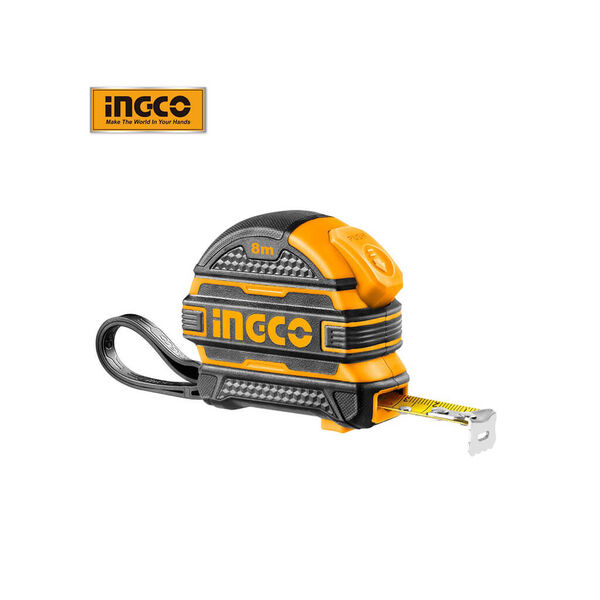
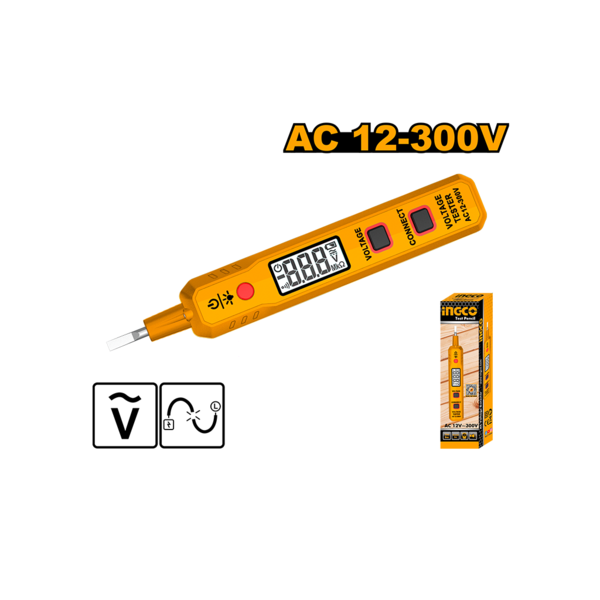
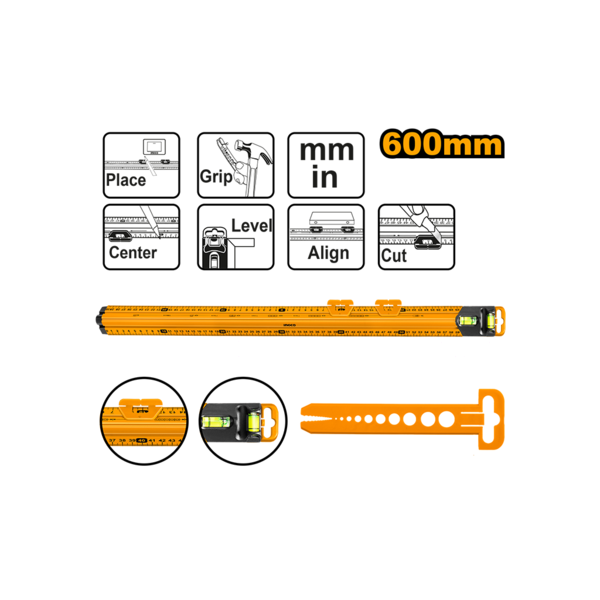
Measurement accuracy directly affects the final result of construction, renovation, and installation work. Incorrectly measured dimensions can lead to improper material processing, mismatched components, and additional work. Various measuring and marking tools are used to prevent such errors, with the choice of equipment depending on the specific requirements of each task.
INGCO offers a range of instruments for measuring length, inclination, and other parameters. The selection includes both mechanical and digital models suitable for construction, furniture manufacturing, workshops, and household projects.
Length Measuring Tools and Their Applications
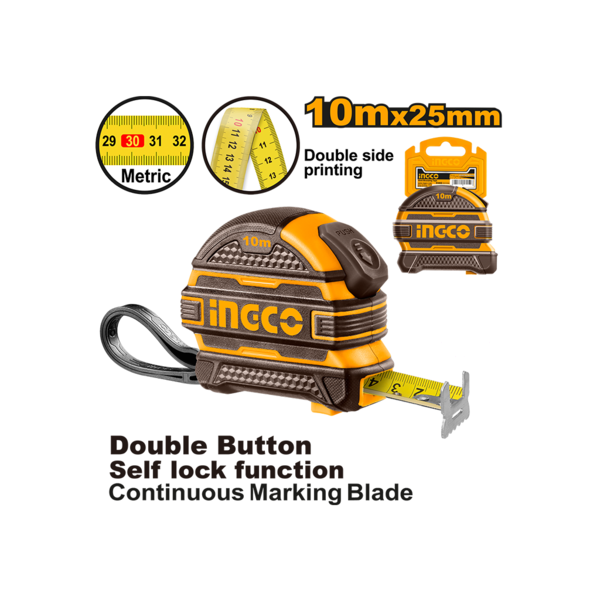
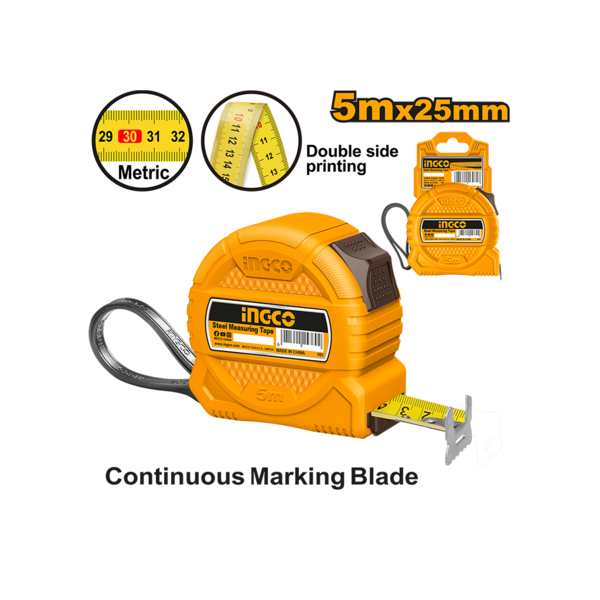
Length measuring tools differ in measurement range, construction, and intended use. For example, working with small components requires instruments capable of measuring dimensions in millimeters. When measuring longer distances, factors such as tape length, width, and the readability of measurement markings become particularly important.
When working with smaller components, hand measuring tools are particularly practical. Mechanical and digital calipers available in the INGCO range are used to measure external and internal dimensions, as well as depth. Measurement range and accuracy should be considered when selecting a suitable model.
Marking Accuracy in Construction and Installation Work
Accurate positioning of components is essential for furniture assembly, woodworking, and the installation of various structures. Errors made during marking can affect subsequent cutting and assembly. Checking that measurements and reference marks are consistent before starting work helps prevent such problems.
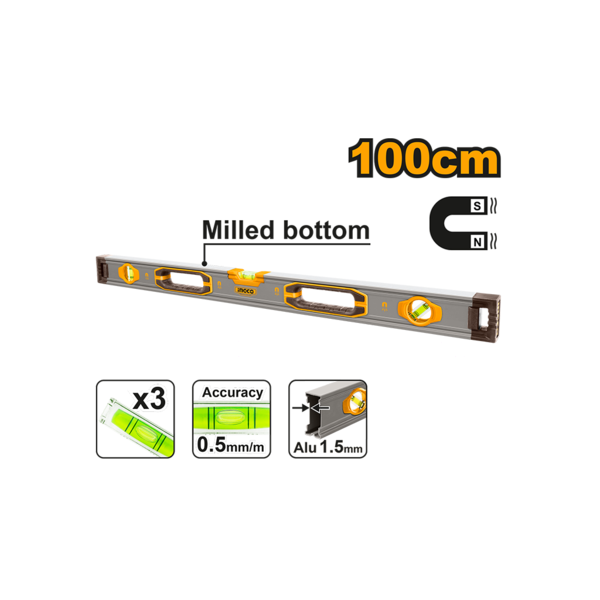
After marking, many tasks require verification of horizontal or vertical alignment. A spirit level is used to assess surface inclination. Models vary in length and construction, while magnetic versions are particularly useful when working with metal surfaces.
Digital Measurement and Reference Line Alignment
Measurement methods also vary when working in large spaces or across multiple surfaces. For example, when transferring reference marks onto walls and establishing straight lines, a laser measuring tool is selected according to the requirements of the task. Important considerations include measurement range, available functions, and working conditions.
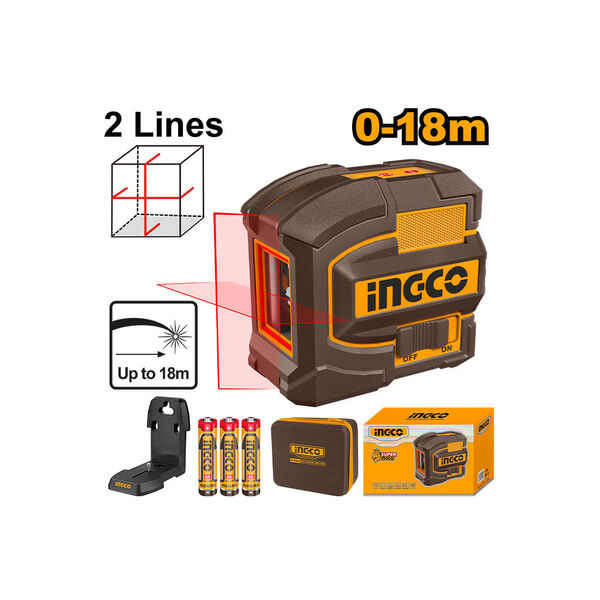
For transferring height reference points and aligning structural elements, a laser level is used. The INGCO range includes self-leveling laser models and compatible tripods. Selection criteria include working distance, laser line configuration, and equipment mounting requirements.
How to Choose the Right Measuring Tool for the Job
Choosing a measuring tool begins with identifying the parameter to be measured and the acceptable margin of error. For precision work on individual components, scale resolution and measurement range are important. Construction applications also require consideration of tool dimensions, housing durability, and working conditions.
The condition of the measuring instrument can also affect accuracy. A damaged measuring tape, contaminated measuring surface, or improperly mounted device may cause measurement errors. Checking that the instrument is functioning correctly before beginning precision work helps reduce the risk of inaccurate results.
INGCO measuring tools are designed for projects of different scales and requirements. When selecting a specific model, the deciding factor is not the number of available functions but how well they match the intended application. A properly selected instrument helps reduce the need for repeated measurements and minimizes the risk of incorrect material processing.