






Hand Measuring Tools
Sort by:
17 Products found






Accurate measurements are an essential part of furniture assembly, woodworking, and the installation of various components. Even minor measurement errors can result in mismatched parts or the need to rework materials. Precision is particularly important when multiple components must fit together or be manufactured to specific dimensions.
INGCO offers a range of hand measuring instruments designed for different applications. The category includes mechanical and digital measuring devices, angle measuring instruments, and other supporting tools. These instruments are suitable for workshops, construction projects, and household applications.
Angle Measuring Rulers and Key Selection Criteria
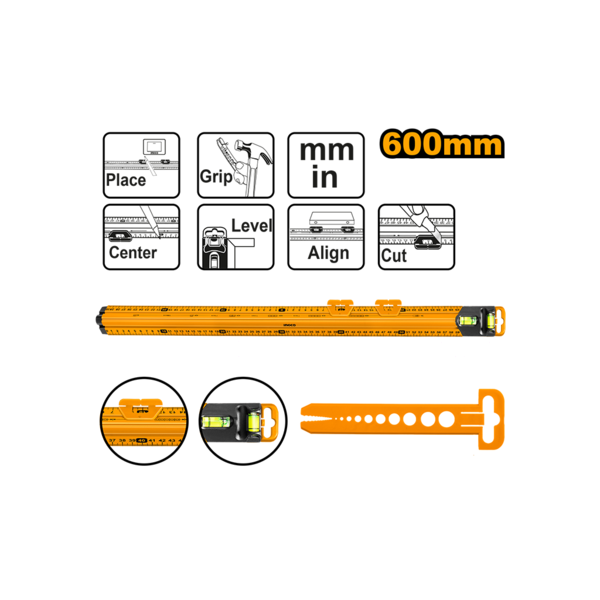
Furniture assembly and component manufacturing often require checking right angles and marking straight lines on work surfaces. An angle measuring ruler is used for these tasks, with selection criteria including length, material, and the readability of measurement markings. Compact instruments are practical for smaller components, while longer tools may be more suitable for larger surfaces.
In addition to checking angles, some tasks require identifying potential obstacles beneath a surface before work begins. In such cases, a detector can be used to locate concealed elements within the working area, depending on the device's capabilities. This is particularly important when drilling into walls or installing fixtures.
Hand Measuring Instruments and Measurement Methods
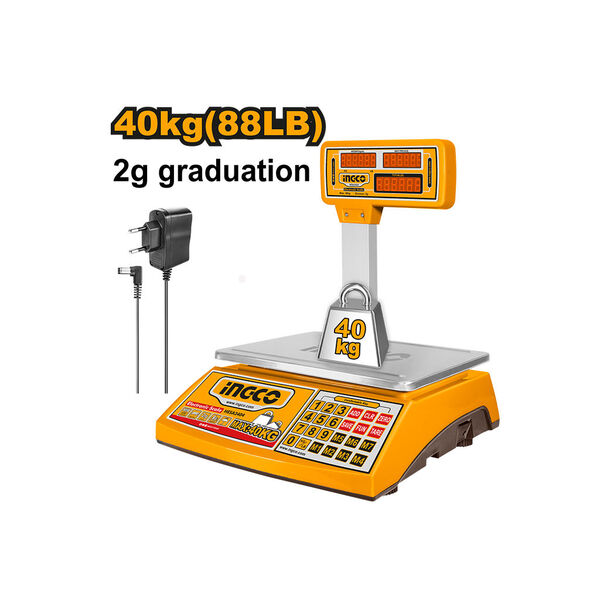
The appropriate measurement method depends on the specific requirements of the task. Mechanical instruments are used for direct-contact measurements, while digital models display measurement results on a screen. Important selection criteria include measurement range, scale resolution, and permissible measurement error.
When aligning components positioned at different heights, a laser level is used to transfer reference marks to a consistent level. Such equipment is useful when a task involves more than checking individual component dimensions and requires determining the relative positioning of multiple surfaces.
Digital Devices and Additional Measurements
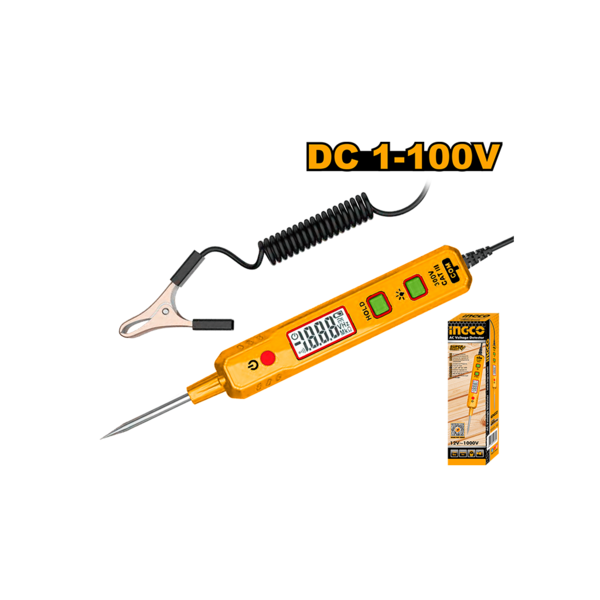
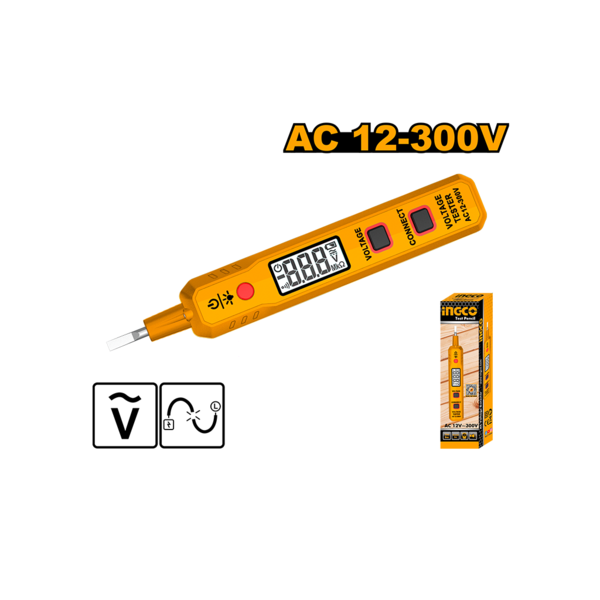
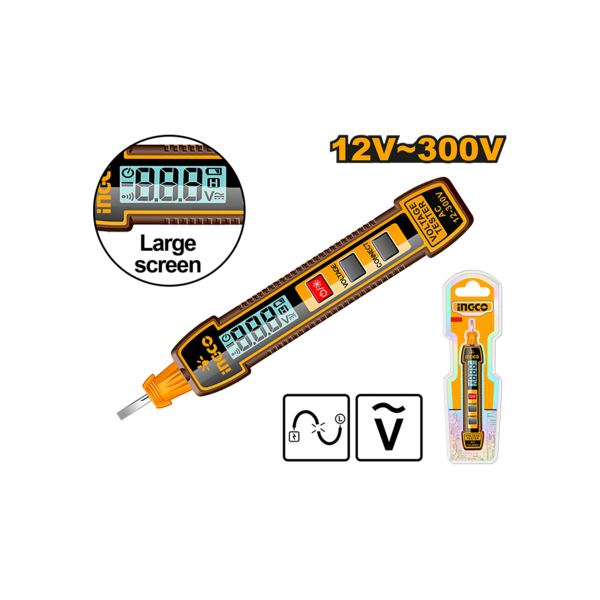
Some applications require checking electrical parameters alongside conventional measurements. For example, an automotive digital tester is used to check voltage in compatible electrical circuits. When selecting this type of device, its operating range and intended conditions of use must be considered.
When establishing lines and reference marks on work surfaces, a laser measuring tool may be used depending on the task. Its functionality differs from that of conventional hand instruments, particularly when measurements need to be taken over longer distances.
Practical Factors Affecting Measurement Accuracy
The condition of a measuring instrument directly affects the accuracy of its results. Damaged edges, worn measurement markings, or contaminated surfaces may lead to measurement errors. When using mechanical instruments, proper contact between the measuring surfaces and the workpiece is important. Digital devices also require attention to the condition of their power source.
INGCO offers a range of professional tools and equipment designed for various applications. When selecting a particular model, it is important to consider how well its specifications match the task and its accuracy requirements. This is especially relevant in batch production, where every component must meet the same dimensional specifications.