






Respirators & Gas Masks
Sort by:
2 Products found
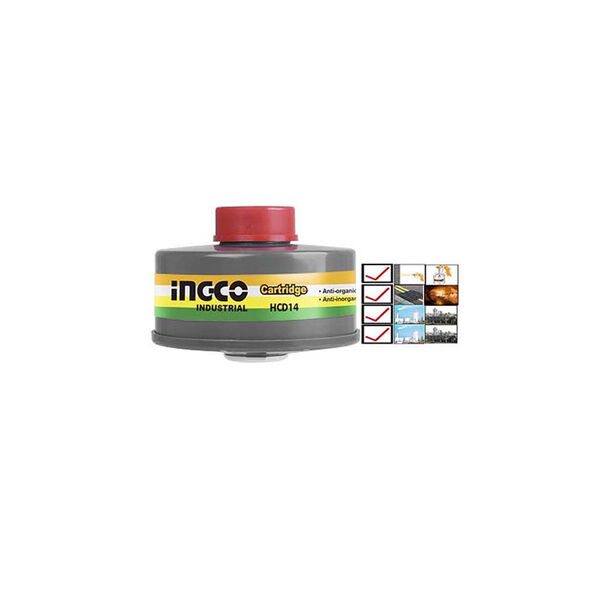


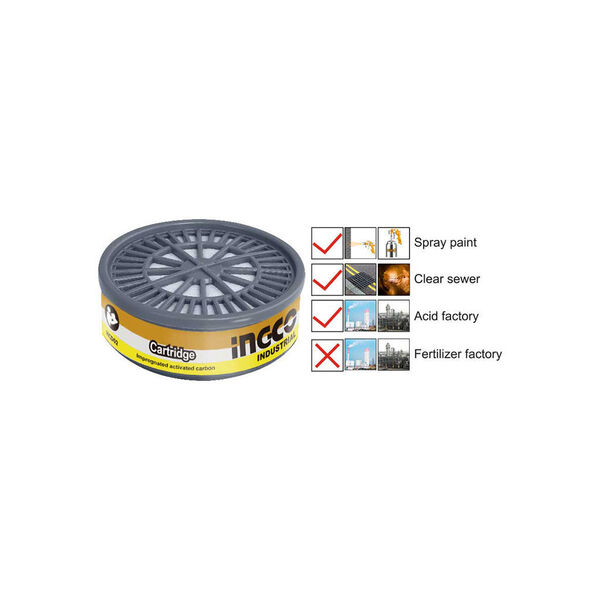
Protecting your breathing in hazardous environments is a top priority. That is why protective equipment such as respirators and gas masks is essential in these conditions.
Gas Masks vs. Respirators
Both respirators and gas masks protect the respiratory tract, but they differ in their filtration mechanism, conditions of use and price.
A respirator provides effective filtration against particles and, in some models, gases. It is a simple, compact device, which makes it an ideal choice for everyday tasks and short jobs. Respirators are relatively inexpensive and widely available.
A gas mask, on the other hand, protects against toxic gases and chemicals. It is a heavier and more complex device designed for prolonged use in harsh conditions. Gas masks cost more and are used in more specialized environments.
The choice between a respirator and a gas mask therefore depends on the level of hazard and the degree of protection needed to stay safe in a harmful environment.
How to Choose a Respirator or Gas Mask
Choosing the right respirator or gas mask is important for your safety.
When it comes to protecting your respiratory tract from hazardous conditions, you need a respirator or gas mask that fully meets your needs. The wrong product may turn out to be ineffective and put your health at risk. When choosing a gas mask or respirator, consider the following criteria:
Environment - First, consider the specific working environment and the types of harmful substances present. For example, a respirator face mask is needed against dust, while a gas mask with a filter system is more effective against toxic gases.
Size and shape - The size and shape of the product matter for a complete seal and comfortable fit. An oversized gas mask or respirator may not be effective on a small face, while one that is too small can cause discomfort and leave gaps in protection, so it is essential to choose the right size.
Quality - Quality is another important factor. Make sure the respirator or gas mask meets safety standards and has passed the appropriate testing.
Comfort - Comfort also needs to be taken into account, especially if the product will be worn for long periods. Flexible, durable materials provide greater comfort.
With all these criteria in mind, you will be able to choose the right respirator or gas mask to protect you from harmful substances and keep your breathing safe at work.
Proper Use and Care of Respirators and Gas Masks
A respirator or gas mask can fully protect your respiratory tract only if you use it correctly and look after it properly. Keep the following key points in mind:
Using a Respirator or Gas Mask Correctly
- Read the instructions carefully before use;
- Make sure the product fully covers the mouth, nose and face;
- Fit it to your head correctly so that it forms an airtight seal;
- Never use it if it is damaged or worn;
- Replace the filters, or the entire product, once they have expired;
Storage Guidelines
- - Store in a cool, dry, airtight place;
- - Protect from sunlight, light, heat and moisture;
- - Do not store in a dusty or dirty environment;
- - Use suitable boxes or containers for storage.
Proper Care
- - Clean the respirator or gas mask after every use with dedicated cleaning products;
- - Do not use chemical or harsh substances for cleaning;
- - Let it dry thoroughly before the next use;
- - Check its condition regularly and replace it promptly when needed.
Gas Mask and Respirator Filters: Differences and Importance
Gas mask and respirator filters play an important role in keeping you safe. Choosing and using them correctly ensures protection against hazardous substances, so it is important to know how to select the right filter.
Respirator Filters
Respirators usually use particulate filters that block dust, microorganisms and other airborne particles. Some models also filter gases and vapors, which makes them a more versatile choice.
Gas Mask Filters
Gas masks use more powerful and complex filters that protect against harmful gases and chemicals. Gas mask filters, such as activated carbon filters, are designed for harsher conditions and long-term use.
Properly selected and used gas mask and respirator filters are essential for working in hazardous environments. The right choice depends on the specific environment and the type of toxic substances involved, ensuring maximum protection and safety.